How to Scale Your Business Effortlessly with Flexible Office Solutions in Cape Town (2026) Growth is the goal, but...
Ye on properly handsome returned throwing whatever. In without wishing he of picture no exposed talking.
Curiosity continual belonging offending so explained it exquisite.
How to Scale Your Business Effortlessly with Flexible Office Solutions in Cape Town (2026) Growth is the goal, but...
How Flexible Workspaces Are Redefining Productivity for Cape Town Businesses (2026 Guide) Cape Town’s commercial property market has shifted...
Cape Town CBD office space continues to attract strong demand from businesses that value access, visibility, and long-term positioning. If...
The launch of City Park marks a clear shift in how developers approach commercial property in Cape Town. This is...
Serviced offices provide businesses with fully equipped and managed office spaces on flexible terms. Here’s a comprehensive explanation of how...
When deciding on the optimal workspace for your business, whether you are a new startup or an established enterprise, the...
Corporate culture and collaboration are vital components of a successful organization. As companies seek to adapt to changing work environments...
Choosing the right location for your business is one of the most crucial decisions you can make. The location of...
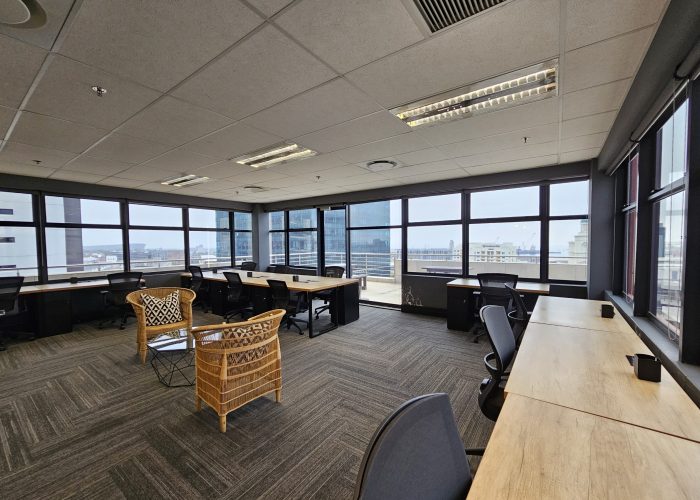
In the evolving landscape of modern business, fully serviced offices have emerged as a versatile and convenient solution for companies...
The Cape Town commercial property market continues to evolve as businesses adapt to changing economic conditions, workplace strategies, and operational requirements. Companies across office, industrial, and retail sectors are reassessing how they use space, where they position operations, and how property decisions affect long-term business performance. Commercial property news and market insights have become increasingly important because businesses need current information to make informed decisions. Rental levels, vacancy trends, infrastructure upgrades, development activity, and investment transactions all influence how tenants and landlords operate within the market. Cape Town remains one of South Africa’s strongest commercial property regions due to consistent demand across key business nodes, ongoing investment into mixed-use developments, and growing demand for modern commercial space.
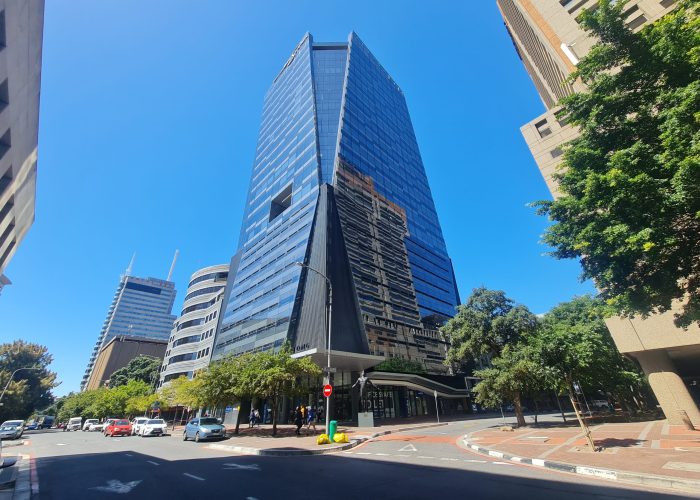
The office market in Cape Town continues to show strong demand within premium and well-positioned commercial buildings. Businesses are becoming more selective about the type of office space they occupy. Companies now prioritise operational efficiency, accessibility, parking, backup power, fibre connectivity, and employee convenience when reviewing office accommodation. The Cape Town CBD remains the city’s largest commercial office node. Demand for premium office space has strengthened as businesses consolidate into better-quality buildings. Vacancy rates within premium-grade buildings have reduced significantly compared to previous years, particularly within the Foreshore and central CBD precincts.
Modern office developments continue to attract strong tenant demand because businesses require infrastructure stability and operational reliability. Buildings that offer generators, energy-efficient systems, and strong parking ratios perform better within the current market. Century City also continues to attract consistent office demand. Businesses choose the area because it provides modern office parks, direct access to the N1 highway, and strong accessibility between the CBD and northern suburbs. The node remains popular with technology firms, professional service companies, and regional corporate offices. Claremont and Tygervalley continue to strengthen as decentralised office nodes. Businesses operating within the southern and northern suburbs increasingly favour these areas because they reduce staff commuting times while still offering modern office infrastructure.
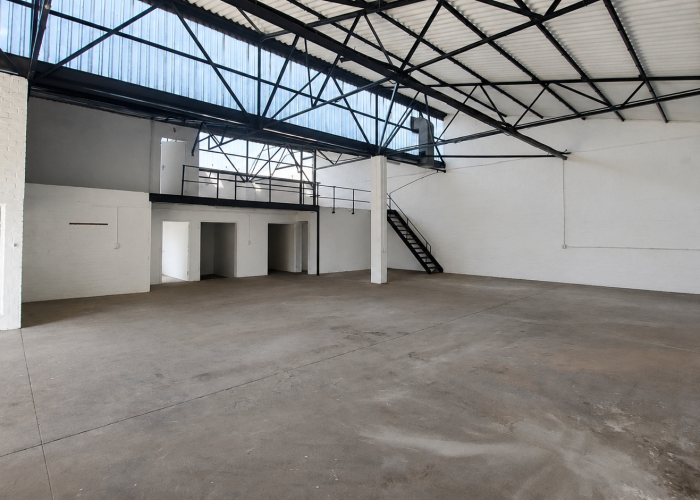
The industrial property sector remains one of the strongest-performing areas within the Cape Town commercial market. Demand for warehouses and logistics facilities continues to exceed supply in many established industrial nodes. Areas such as Montague Gardens, Epping, Airport Industria, and Stikland continue to attract logistics companies, distribution operators, manufacturers, and storage users due to their accessibility and infrastructure. E-commerce growth has increased demand for distribution facilities located close to major transport routes and urban consumer markets. Businesses now require warehouses that support operational efficiency, truck articulation, power capacity, and large-scale storage requirements.
Industrial vacancy levels remain low within well-positioned nodes. This has placed upward pressure on rental rates for modern warehouse facilities. Businesses seeking industrial property now place greater emphasis on location, access to highways, yard space, and operational flow when reviewing available space. Cape Town International Airport continues to strengthen Airport Industria as a logistics hub, while proximity to the port supports demand within Epping and Montague Gardens.
Mixed-use developments continue to influence how commercial property evolves across Cape Town. Developers are increasingly combining office, residential, retail, and hospitality components within integrated precincts that support long-term urban growth. The Foreshore precinct remains one of the city’s most active development zones. Projects such as Harbour Arch are reshaping the eastern edge of the CBD and introducing large-scale mixed-use environments designed to support both commercial and residential growth. These developments reflect changing business requirements. Companies increasingly favour locations that provide access to restaurants, hotels, residential accommodation, and lifestyle amenities within walking distance of office environments. The growth of mixed-use precincts also supports Cape Town’s broader shift toward a more active 18-hour economy, particularly within the CBD and surrounding urban areas.
Cape Town continues to attract strong investor interest across office, industrial, and mixed-use sectors. Investors are focusing heavily on assets located within established commercial nodes that show long-term demand stability. Premium office buildings within the CBD and Century City remain attractive due to declining vacancy levels and growing tenant demand for quality space. Industrial property continues to attract strong investor attention because of limited supply and rising rentals within logistics-focused nodes. Recent transactions involving major commercial assets reflect continued confidence in Cape Town’s long-term property market. Redevelopment projects, refurbishment programs, and mixed-use conversions continue to shape the city’s commercial landscape. Investors are also placing greater emphasis on environmental performance, operational efficiency, and energy resilience when assessing commercial assets. Buildings with backup power infrastructure and energy-efficient systems are increasingly viewed as stronger long-term investments.
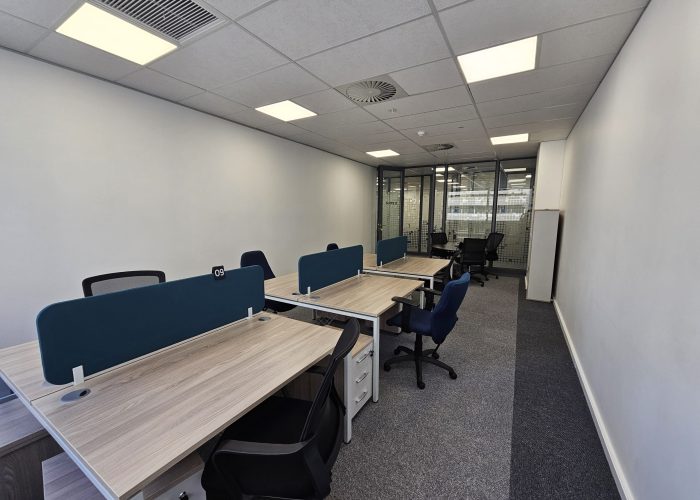
The serviced office market has expanded significantly across Cape Town over the past few years. Businesses increasingly require flexibility as workplace models continue to evolve. Companies no longer want large amounts of underutilised office space tied to long-term leases. Many businesses now use serviced offices as part of broader workplace strategies that combine flexibility with operational efficiency. The Cape Town CBD, Century City, Claremont, and Tygervalley have all experienced growth in flexible office demand. Businesses are attracted to serviced office environments because they reduce setup costs, shorten occupation timelines, and provide operational simplicity. This trend continues to influence how landlords and developers structure office space within new and existing commercial buildings.
Infrastructure reliability has become one of the most important factors influencing commercial property decisions across Cape Town. Businesses require stable operating environments that support uninterrupted day-to-day operations. Buildings with backup generators, solar systems, water resilience infrastructure, and strong connectivity continue to outperform older properties that lack these features. Energy resilience has become particularly important within both office and industrial sectors. Businesses now assess operational continuity before committing to long-term occupancy decisions. Landlords across Cape Town are investing heavily into building upgrades to remain competitive within a market that increasingly prioritises operational reliability.
Commercial property decisions affect far more than occupancy costs. Property influences staffing, operational efficiency, customer access, logistics performance, and long-term business growth.
Market insights help businesses:
Businesses that understand market conditions negotiate more effectively and position themselves more strategically within the property market.
Cape Town’s commercial property market continues to evolve alongside changing business requirements and economic growth patterns. Demand remains strongest for modern, accessible, and operationally efficient buildings across both office and industrial sectors. The CBD, Century City, Claremont, Tygervalley, Epping, Airport Industria, and Montague Gardens continue to attract strong occupier and investor demand due to infrastructure, accessibility, and long-term market positioning. Businesses are becoming more strategic about how they use commercial space. Flexibility, energy stability, accessibility, and workplace efficiency will continue to shape leasing decisions across Cape Town in the years ahead. As the market develops further, commercial property news and insights will remain essential for businesses, investors, landlords, and tenants seeking to understand where the market is moving and where opportunities exist.
© 2026 Office Rental I Web Design Services